


OBE measures and access control: this is how you work towards a secure environment
No matter what type of company you manage or where you work, security measures are an unavoidable part of daily operations. Today, the importance of security continues to grow. You want to minimize the risk of unauthorized access as much as possible, whether it concerns a construction site, office building, or distribution center.
A commonly used approach for this is the implementation of OBE measures: organizational, structural, and electronic security measures. In this blog, you will discover what OBE measures are, how they can be applied in practice, and the role access control plays within them. 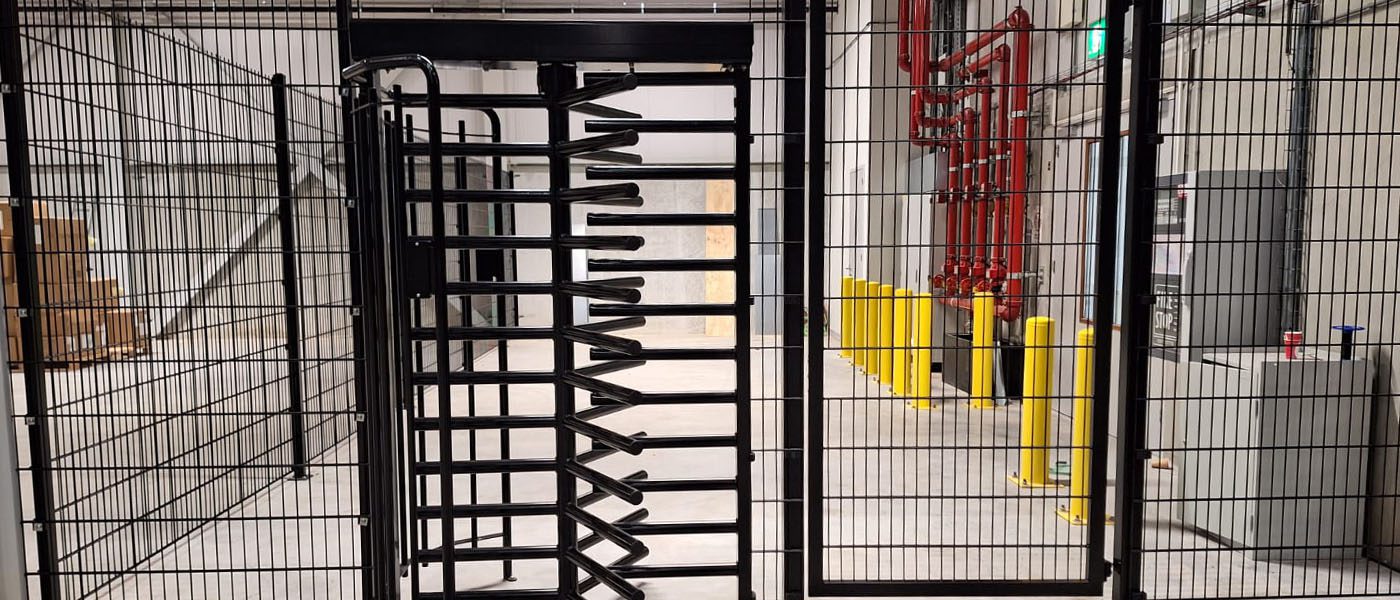 View range Get in touch
What Are OBE Measures?
OBE measures are a combination of organizational, structural, and electronic security measures. Together, they create a comprehensive security strategy aimed at reducing risks such as theft, burglary, and unauthorized access. OBE measures can be divided into three categories:
Organizational Measures
These include preventive procedures that are relatively easy to implement. Examples are following proper protocols, training employees, organizing supervision, or maintaining visitor registration systems. For example: Procedures for locking windows and doors at the end of the working day Emergency response training for employees
Structural Measures
These are permanent physical measures that usually require more investment and planning. They involve physical barriers used to restrict or manage access. Examples include: Safes for storing valuable documents or cash - Fencing - Doors - Barriers - Turnstiles These solutions contribute significantly to physically securing or controlling access to spaces.
Electronic Measures
These are technical systems that improve security, such as:
- CCTV surveillance
- Intrusion detection systems
- Access control systems
A common example is a badge system that automatically records who enters the building. 
Why Are OBE Measures Important?
Focusing on only one type of security measure is often insufficient. For example, electronic surveillance loses much of its effectiveness if there are no clearly controlled access points. Only by combining all three pillars of OBE measures can you create a complete and effective security strategy. This not only improves overall security but also enhances risk management. That is why professional advice is essential. A carefully designed package of OBE measures should always be tailored to the specific location and associated risks. This ensures a security approach that is both effective and practical.
The Role of Access Control Within OBE Measures
Physical access control systems play a major role, especially within the category of structural measures. By implementing physical access barriers, you create a controlled and reliable access process, often without requiring continuous staffing. Below are several practical examples of how access control supports OBE measures:
- Full-height turnstiles ensure that only one person can pass at a time, preventing tailgating and unauthorized entry. They are ideal for securing areas without requiring permanent supervision.
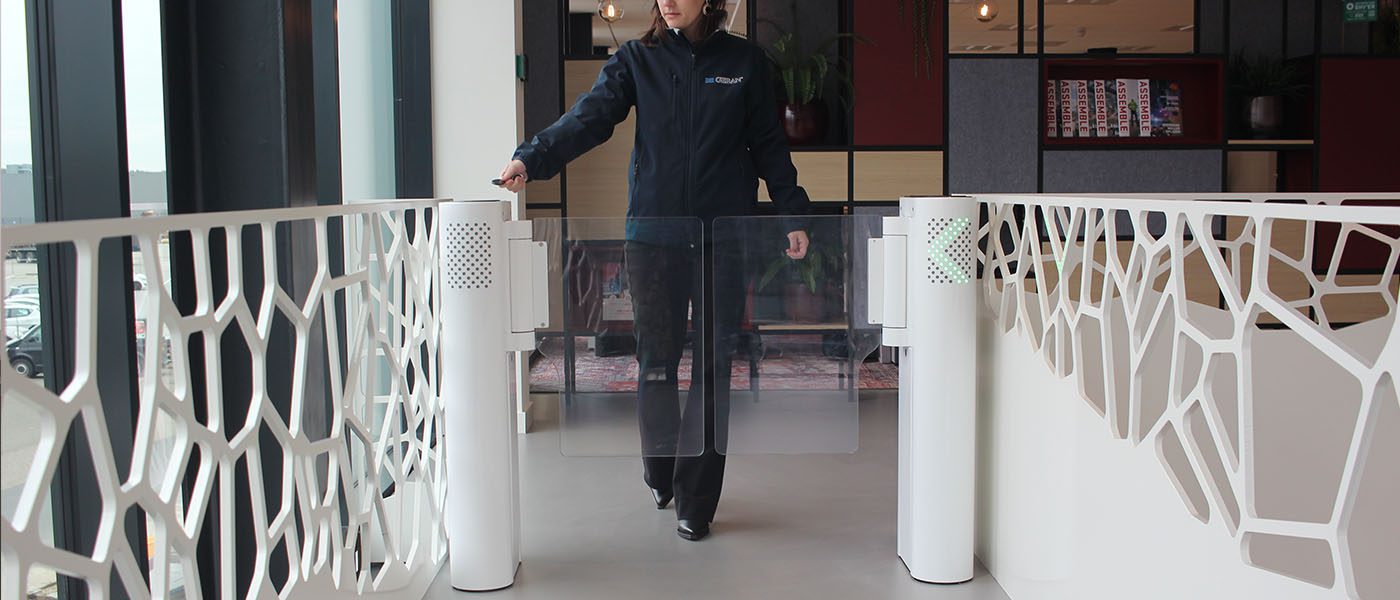
- Speed gates combine security and efficiency with an automated gate that feels welcoming rather than restrictive. Their sleek and aesthetic design creates a professional entrance that fits perfectly within modern work environments.
- Barriers provide clear vehicle access control, allowing every car, van, or truck to enter the site safely and in a controlled manner. They can also be integrated with access registration systems, contributing to both security and valuable attendance and safety reporting.
- Mobile turnstiles offer a reliable temporary barrier for maintaining order and security. They are ideal for events, festivals, or temporary sites and can easily be relocated and reused at another location afterward.
Access Control in Practice as Part of OBE Measures
OBE measures in the form of access control can be applied in many different ways across a wide range of working environments. On construction sites, for example, access control prevents unauthorized persons from entering the site, helping to protect expensive materials and machinery. Employees can easily register and gain access through a mobile turnstile. This allows the site manager or responsible supervisor to know exactly who is present at all times and whether safety reports are complete. In addition to supporting OBE measures, this solution also aligns perfectly with WKA regulations for construction sites. In office buildings, speed gates such as the dTower contribute to a welcoming and professional entrance. Visitors can check in quickly and easily, while employees can safely access the building outside office hours using a badge or access tag. In distribution centres, barriers and turnstiles create a clear separation between vehicles, drivers, and staff. This helps prevent freight traffic and pedestrians from crossing paths while maintaining control over logistical processes. These examples demonstrate how access control helps make OBE measures practical, visible, and effective in everyday operations. Do you have another specific situation for which you are looking for a solution? Let us know — we are happy to think along with you.
OBE maatregelen als totaaloplossing bij Geran Access Products
OBE measures include a wide range of practical ways to organize security clearly and effectively. Organizational procedures, structural barriers, and electronic systems strengthen one another to create a complete security strategy. A total access control solution is essential when implementing OBE measures. Would you like to know which access control solution best suits your situation? Feel free to contact us or explore our various market segment pages to discover how our products are applied in different working environments. Together, we create safe and reliable access to your site or building.
Contact us
Fill in the form below and we will contact you as soon as possible.